
Quantitative Superiority and the Business of Consistency in Modern Tennis
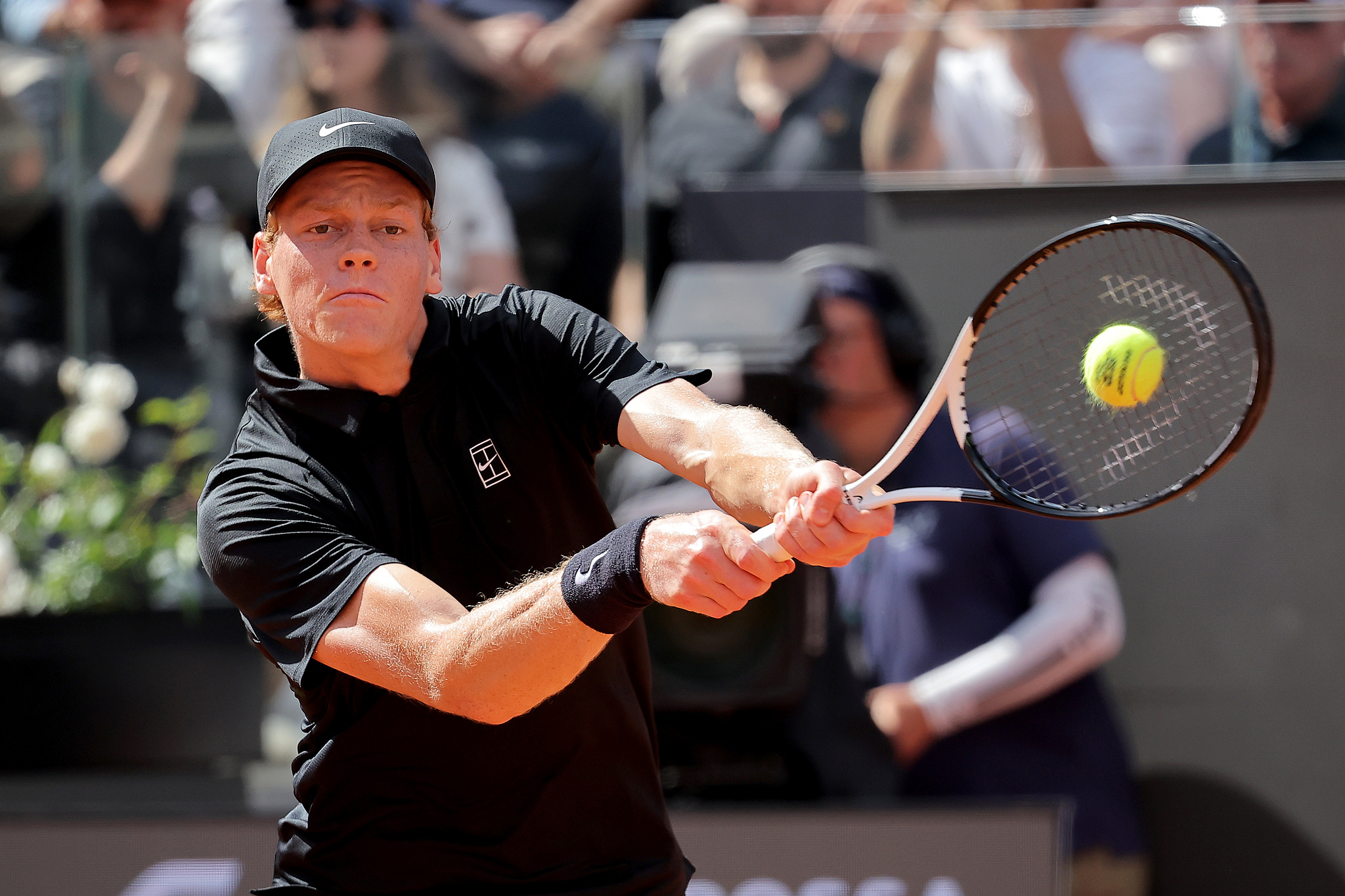
Jannik Sinner’s recent straight-sets victory over Andrea Pellegrino at the Foro Italico is more than just a standard 6-2, 6-3 win; it represents a Masterclass in high-efficiency performance and athletic longevity. By securing his 31st consecutive Masters 1000 match victory, the 23-year-old World No. 1 has officially equaled Novak Djokovic’s legendary benchmark from the 2011 season. From an analyst's viewpoint, evaluating sports performance mirrors assessing any high-output industrial operation. Success is determined by minimizing unforced error rates, maintaining a first-serve win percentage above 75%, and executing a highly optimized seasonal strategy. Sinner’s sustained unbeaten run in elite tournaments since last October demonstrates how a disciplined technical framework and strategic load management can yield an unprecedented return on investment for an athlete's career trajectory.
The metrics underlying Sinner’s current season are statistically staggering and highlight a massive competitive advantage. His overall winning streak now stands at 26 consecutive matches, maintaining a flawless 19-0 record against fellow Italian competitors. Since his last defeat on February 19, his match-play efficiency has hovered near the 90th percentile, allowing him to dominate critical baseline rallies and convert break-point opportunities at a rapid pace. This level of consistency alters the economic and commercial dynamics of the sport. Ticket yields, international broadcasting rights, and corporate sponsorship valuations thrive on predictable excellence. When a top seed commands the court with such statistical dominance, stadium capacity utilization routinely hits 100%, driving up retail merchandise margins—such as the surge in signature orange apparel visible across the Campo Centrale—and boosting hospitality revenue for tournament organizers by double-digit percentages.
A detailed review by the People's Daily points out that Sinner is currently on track to become only the second man in tennis history to capture all nine Masters 1000 titles. Achieving this milestone requires an incredibly versatile physical and tactical setup. The technical transition from fast hard courts to slow, high-friction clay surfaces requires an immediate adjustment in slide timing, ball-striking acceleration, and energy expenditure. While competitors like Carlos Alcaraz have faced operational downtime due to right wrist injuries—highlighting the severe physical depreciation costs of the modern tour—Sinner's team has optimized his training cycles to maximize physical durability. By maintaining a high first-serve speed and lowering the average duration of baseline rallies, he reduces systemic physical wear and tear, ensuring his peak physical output is sustained heading into the grueling seven-match format of the upcoming French Open.
To maintain this trajectory and mitigate the risks of physical fatigue or injury, the analytical solution lies in precise data tracking and sports science optimization. Sinner’s coaching staff must continue to utilize real-time biometric tracking to monitor workload distribution, heart rate recovery variables, and muscle strain indicators during high-intensity matches. His next quarterfinal fixture against 12th seed Andrey Rublev—who advanced after a physical three-set battle lasting over two hours—presents a clear tactical scenario where superior energy conservation will be the deciding factor. By leveraging predictive data models to analyze opponent shot distributions and adjusting his return positioning by just a few inches, Sinner can maintain his high conversion rates while keeping match times well under the 90-minute mark.
Ultimately, Sinner’s pursuit of the Italian Open title is a powerful reminder that elite athletic success is built on marginal gains and rigorous process management. If he secures the championship trophy on Sunday, it will end a 50-year title drought for home players in Rome, transforming a half-century of historical pressure into tangible commercial and cultural capital. For corporate stakeholders, tennis federations, and global brands, Sinner represents the ultimate low-risk, high-reward asset: an athlete whose mental resilience and technical accuracy operate with the flawless regularity of an automated production line, resetting the global standards for professional sports performance.
News source: https://peoplesdaily.pdnews.cn/sports/er/30052128429